


Made tough.Safer to build.
Rebuilt for safer client manufacturing and field use




Results that make a difference



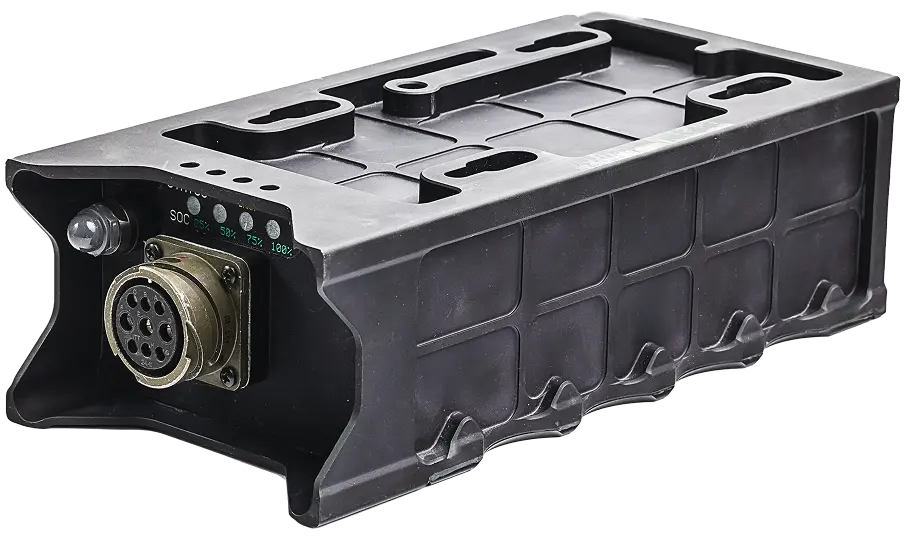
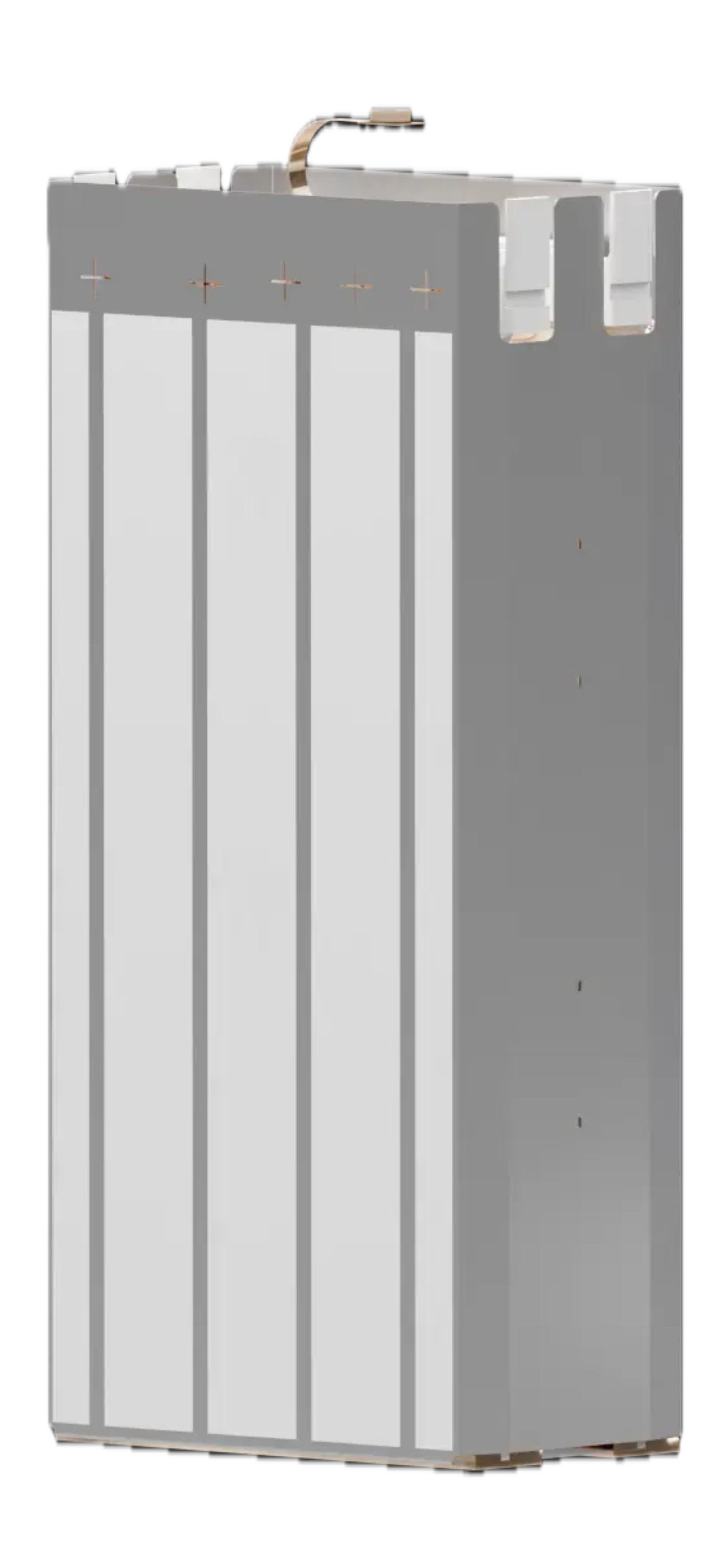
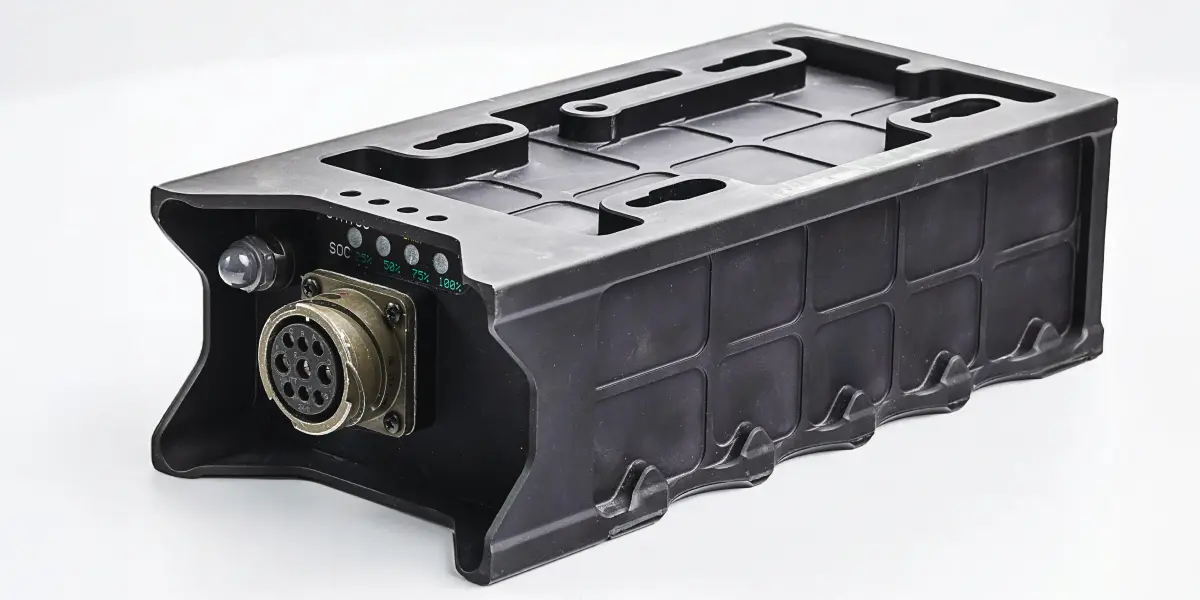
Dillon Aero’s high-performance battery depends on reliable operation in demanding environments. The pack uses lithium iron phosphate (LiFePO₄) cells and a battery management system to manage voltage, temperature and current. In its original form, the internal layout made assembly slow and risky, increasing the chance of wiring errors and heat-related issues during build.
After the design was refined by 28 Gorilla, 29Tech built working prototypes to validate manufacturability, improve internal assembly flow, and support pre-compliance testing to military standards.
Working side by side with Dillon Aero’s team, we provided the training, tooling guidance, and build documentation needed to assemble these batteries in-house without sacrificing durability or performance.
Stability in a high-output battery
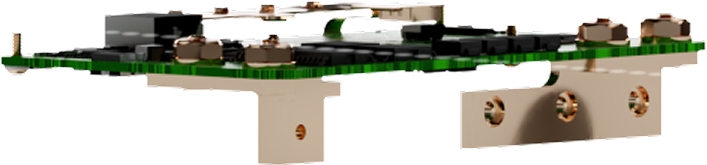
The original battery design used lithium iron phosphate (LiFePO₄) cells in a tightly packed layout with plastic parts that trapped heat. High-voltage and control wiring sat so close together that a pinched wire or loose fastener could create problems over time, especially under vibration. Assembly took more than four hours and demanded careful handling to protect both the technicial and the pack. Dillon Aero needed a way to make builds safer and more repeatable while keeping the battery ready for mission-level performance.
Redesign for safety, train for independence
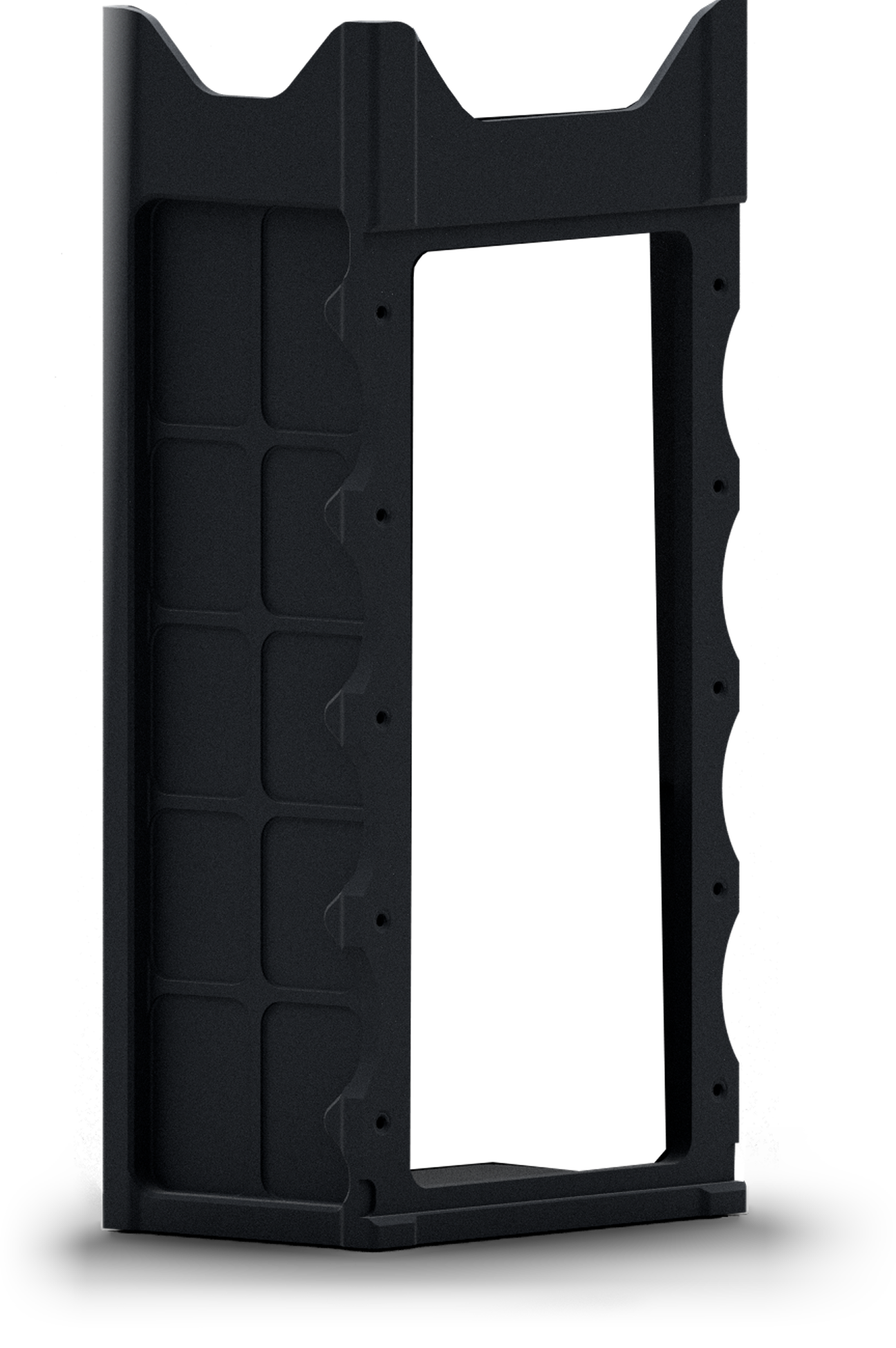
29Tech built working prototypes to validate safer assembly, reinforced fasteners and connection points, and reworked the internal structure to reduce build risk. As part of that work, we replaced cure-dependent silicone sealing with a gasket-based, dry-assembly approach to remove wet processes and reduce variability during production.
The packs were run through pre-compliance testing to MIL-STD-810 and MIL-STD-461 to confirm performance under vibration, temperature extremes, immersion and electromagnetic interference.
We then hosted Dillon Aero’s team in our shop and walked them through the updated build process using their own tools. We provided checklists, tooling guidance and step-by-step build documentation so they could continue assembling the batteries safely and consistently in-house.

Up close with
Military and Aerospace Battery


Skills & equipment used

- Built functional prototypes in both “Bric” and “Pod” battery formats
- Validated assembly workflow and performance before scaling
- Validated the assembly process for repeatability, reducing technician error during high-energy builds
- Used in-house fixtures and torque-controlled tools to support safe, consistent assembly

- Designed build process based on client’s capabilities and tooling
- Opened internal layout for better airflow and safer wiring routes
- Reinforced fasteners and connection points for stability under vibration
- Created step-by-step build documentation and tooling guides

- Planned for small batch runs to support internal production ramp-up
- Developed repeatable assembly process for consistent output

- In-process inspections during prototype builds
- Verified connection torque, wiring placement and component fit

- Identified and vetted suppliers to meet performance, availability and lead time requirements
- Selected fasteners and materials compatible with Dillon Aero’s existing tools and inventory

Want to make your builds safer and stronger?
